

 French
 Arabic
Department of Gynecology & Abnormal Placentation
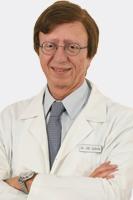
The Department of Gynecology and Abnormal Placentation at Hôtel‑Dieu de France (HDF) is a national reference center for women’s health, complex obstetrics, and gynecologic surgery. Under the leadership of Professor David Atallah, the department integrates clinical innovation, academic leadership, and multidisciplinary teamwork within a university‑affiliated hospital setting.
What Sets Us Apart
Minimally invasive by default: laparoscopy, robotic surgery, and vNOTES approaches across benign and malignant indications.
- Dedicated Breast Cancer Pathway ensuring fast, coordinated, and compassionate care from diagnosis to survivorship.
- National referral unit for Placenta Accreta Spectrum (accreta, increta, percreta) with multidisciplinary planning and intra‑operative coordination.
- Exclusive performance in Lebanon of endometrial cancer surgery by laparoscopy, including ICG‑guided sentinel node mapping and ultrastaging.
- Academic excellence: integrated with Saint‑Joseph University of Beirut (USJ), with active research, publications, and surgical training programs.
Scope of Services
- Benign gynecology (fibroids, endometriosis, pelvic organ prolapse, chronic pelvic pain).
- High‑risk obstetrics with a specialized Abnormal Placentation Unit.
- Gynecologic oncology (uterus, ovaries, cervix, vulva) with advanced staging and reconstruction.
- Breast surgery and oncology integrated within the Women’s Cancer Institute (WCI).
ESGO Accreditation
The Department of Obstetrics and Gynecology at Hôtel-Dieu de France in Beirut is ESGO-accredited for Advanced Ovarian Cancer Surgery, a distinction granted in December 2023 and valid for five years. This accreditation, awarded by the European Society of Gynaecological Oncology (ESGO), recognizes the department’s high surgical quality, multidisciplinary expertise, and compliance with European standards of care.
Hôtel-Dieu de France is the first center in the Middle East to receive this recognition, reflecting its commitment to excellence in gynecologic oncology and to providing patients with care that meets the highest international benchmarks.
Our Doctors

News

Videos
Clinical Focus
As a core component of the Women’s Cancer Institute (WCI‑HDF), our Gynecologic Oncology Unit delivers state‑of‑the‑art care for cancers of the uterus, ovaries, cervix, and vulva. Surgery relies on laparoscopy and robotic platforms to maximize precision, reduce complications, and accelerate recovery.
Pathways & Peri‑operative Protocols
- Comprehensive pre-operative staging, including clinical assessment, imaging, and multidisciplinary tumor board review.
- Minimally invasive surgery is applying nerve-sparing principles whenever feasible.
- ICG‑guided sentinel node mapping for selected uterine and cervical cancers, followed by targeted ultrastaging.
- Coordinated adjuvant therapy planning (chemotherapy, radiotherapy) within the WCI network.
- Structured post‑operative follow‑up and survivorship planning.
Outcomes & Quality Monitoring
- Routine audit of operative metrics (blood loss, conversion, length of stay, complications).
- Pathology turnaround time monitoring and synoptic reporting for oncologic cases.
- Patient‑reported outcomes (pain, recovery, return to daily activities).
Integrated Care Model

The breast program enrolls every patient into a dedicated pathway that begins at screening and continues through diagnosis, surgery, reconstruction, adjuvant therapy, and survivorship. Coordination is ensured via the WCI tumor boards and nurse‑navigator support when available.
Key Components
- Advanced imaging (mammography, ultrasound, MRI) and image‑guided biopsies with rapid reporting.
- Oncoplastic breast surgery with margin‑focused techniques and immediate or delayed reconstruction options.
- Sentinel lymph node mapping (including ICG or radiotracer techniques) and tailored axillary management.
- Multidisciplinary adjuvant planning (medical oncology, radiotherapy) and fertility preservation counseling when pertinent.
- Rehabilitation and psychosocial support (physiotherapy, lymphedema management, counseling).
Patient Experience & Navigation
- Single‑visit diagnostic workup whenever possible.
- Clear communication of treatment plans and timelines.
- Access to reconstructive surgery and supportive care resources.
- Structured follow‑up schedule with survivorship education (self‑awareness, late‑effect monitoring).

Scope & Expertise
HDF hosts a specialized national referral unit for Placenta Accreta Spectrum (PAS) including accreta, increta, and percreta. The unit integrates obstetricians, anesthesiologists, interventional radiologists, urologists, and surgical specialists to provide coordinated, safety‑focused care for high‑risk pregnancies.
Diagnostic & Delivery Planning
Early prenatal identification via high‑resolution ultrasound and MRI when indicated.
Planned delivery with pre‑briefed multidisciplinary team, blood‑bank readiness, and access to interventional radiology.
Clear consent process outlining uterine‑preserving strategies versus cesarean hysterectomy based on safety and feasibility.
Intra‑operative Strategy
Senior surgical leadership with predefined roles and contingency plans.
Availability of urology, vascular, and interventional radiology support.
At Hôtel-Dieu de France, our PAS program, led by Prof. David Atalla, applies standardized, hemostasis-focused protocols to minimize blood loss and reduce allogeneic transfusion: meticulous pelvic dissection with oncologic techniques, stepwise devascularization, and adjuncts such as intraoperative ultrasound for plane identification.
These approaches have been described by our team and reported to improve safety and reduce blood loss in PAS surgery. When indicated, we employ intraoperative cell salvage (cell-saver) during cesarean hysterectomy for PAS.
Postpartum & Follow‑up
ICU/HDU monitoring when indicated, thromboembolism prophylaxis, and standardized analgesia.
Fertility counseling and comprehensive debrief after complex cases.
Debrief‑driven protocol refinement and resident/fellow teaching.
Education & Guidelines
The unit serves as an academic hub, contributing to guideline drafting, simulation training, and dissemination of best practices for PAS management across Lebanon.
Fertility-Preserving Surgery in Gynecologic Cancers
Our department offers fertility-sparing surgical options for selected patients after multidisciplinary evaluation. In early cervical cancer, candidates with tumors ≤2 cm and negative nodes may undergo conization or radical trachelectomy with sentinel lymph-node assessment. In ovarian tumors, fertility preservation includes unilateral salpingo-oophorectomy with full staging for stage I, low-grade epithelial cancers, and is considered standard for borderline and non-epithelial tumors. For early-stage endometrial cancer (grade 1, stage IA, no myometrial invasion), conservative management with progestin therapy often combined with hysteroscopic resection, is offered under strict follow-up.
University‑Affiliated Mission
Affiliated with Saint‑Joseph University of Beirut (USJ), the department leads education and research across minimally invasive gynecology, oncology, and high‑risk obstetrics. Faculty are engaged in peer‑reviewed publications, international collaborations, and surgical training curricula.
Research Priorities
- Placenta accreta spectrum: outcomes, protocols, and resource optimization
- Fertility‑sparing and quality‑of‑life outcomes in gynecologic oncology
- Sentinel lymph node mapping and ICG‑guided ultrastaging in uterine/cervical cancers
- Minimally invasive approaches for complex benign disease and pelvic floor disorders
Education & Training
- Resident and fellow training with stepwise competency milestones
- Skills labs, simulation, and supervised operating with feedback loops
- Interdisciplinary grand rounds and tumor boards for continuous learning
Patient Pathway & Philosophy of Care
- Quality: evidence‑based protocols and continuous audit.
- Compassion: clear communication, dignity, and psychosocial support.
- Innovation: adoption of technologies that improve safety and recovery.
Typical Patient Journey
- Referral/Contact → triage by subspecialty (benign, oncology, high‑risk obstetrics, breast).
- Diagnostic workup → imaging, labs, and multidisciplinary review as needed.
- Shared decision‑making → risks/benefits, fertility and recovery goals.
- Treatment → minimally invasive surgery or medical/radiation therapy as indicated.
- Recovery & Follow‑up → rehabilitation, survivorship planning, and long‑term monitoring.
Supportive Care
- Physiotherapy and lymphedema management.
- Fertility and menopause counseling where applicable.
- Access to psychology/psychiatry and social work resources.